
Home Fire Safety Tips
Published: · 6 min read
Fire at home can be one of the greatest dangers a family faces, and being prepared is essential to improving your chances of surviving such an emergency. Fire safety helps protect not only your home, but also the people, children and pets you love. In this article, we look in detail at the precautions, actions and points to watch for in improving fire safety at home.
The Importance of Fire Alarms and Detectors
Smoke Detectors: You should have at least one smoke detector on every floor of your home. These detectors sound a loud alarm the moment they sense smoke, giving you and your family early warning. Placing smoke detectors near bedrooms means smoke is detected early while you are asleep.
Heat Detectors: Heat detectors are especially useful in places where high temperatures are common, such as the kitchen. They detect sudden changes in temperature and help prevent smoke detectors from triggering unnecessary false alarms.
Checks and Maintenance: Replace the batteries in your smoke and heat detectors every six months and check that the devices are working. Test and clean your detectors every year as well.
Using and Maintaining Fire Extinguishers
Choosing a Fire Extinguisher: It is important to keep several types of fire extinguisher at home. Class A, B and C extinguishers are generally the types suited to homes. Class A extinguishers deal with solid materials such as wood and paper, Class B with liquid and gas fires, and Class C with electrical fires.
Placement and Access: Fire extinguishers at home should be kept in the kitchen, in the garage, near bedrooms and on every floor. Every member of the household should also know how to use one. Check your extinguishers regularly and have them professionally serviced once a year.
Emergency Plan and Drills
Escape Plan: Prepare an escape plan together with your family. Work out how to get out of every room in the house and which routes to use. Check emergency exit doors and windows, and make sure every room has an accessible way out.
Meeting Point: Choose a safe meeting point outside your home. Explain that all family members must gather there after a fire. Make sure your meeting point is a safe distance from your neighbours’ homes.
Fire Drills: Hold fire drills. Make sure every family member learns how to act when they hear the fire alarm. Running drills with children and pets helps prevent panic during an evacuation.
Electrical Safety at Home
Checking Your Wiring: Check that your home’s electrical wiring is safe. Replace old or damaged cables and avoid overloading power outlets. Have your wiring checked regularly by a professional electrician.
Using Outlets: Use power strips and extension cords with care. Avoid leaving extension cords connected continuously, and do not overload sockets. Unplug electrical appliances when they are not in use.
Fire Safety in the Kitchen
Cooking Safety: Take care never to leave the stove unattended while cooking. Placing items over frying oil or food increases fire risk. Once you have finished cooking, check that the stove is switched off.
Smothering a Fire: Kitchen grease fires are common. Never use water to put one out. Learn the proper smothering techniques for grease fires, and bring the fire under control with a lid or a fire extinguisher.
Fire Safety for Children
Education and Awareness: Teach your children about fire safety. Explain that they should not play with fire, the stove or electrical appliances. Explain what the fire alarm means and how they should act.
Fire Safety Items: Use outlet covers and safety locks for children. Keep hazardous items and chemicals stored somewhere your children cannot reach.
Fire Safety for Pets
Evacuating Pets: Prepare an emergency plan for your pets. Stay calm and act quickly when evacuating them. Keeping pet carriers or dedicated transport equipment on hand makes evacuation easier.
Identification and Contact Details: Fit your pets with ID tags and use a collar tag with your contact details. Always be ready to prevent your pets from getting lost during a fire.
Safe Use of Flammable Materials and Devices
Candles and Open Flames: Use candles carefully and never leave them near flammable materials. Never leave a candle burning while you sleep or while you are away from home. Also take care with open-flame devices and make sure they are switched off when not in use.
Cleaning and Maintenance: Regularly check and clean flammable materials around the home. Prevent grease and dirt from building up, especially in the kitchen.
Keeping Your Home Fire Safety Equipment Up to Date
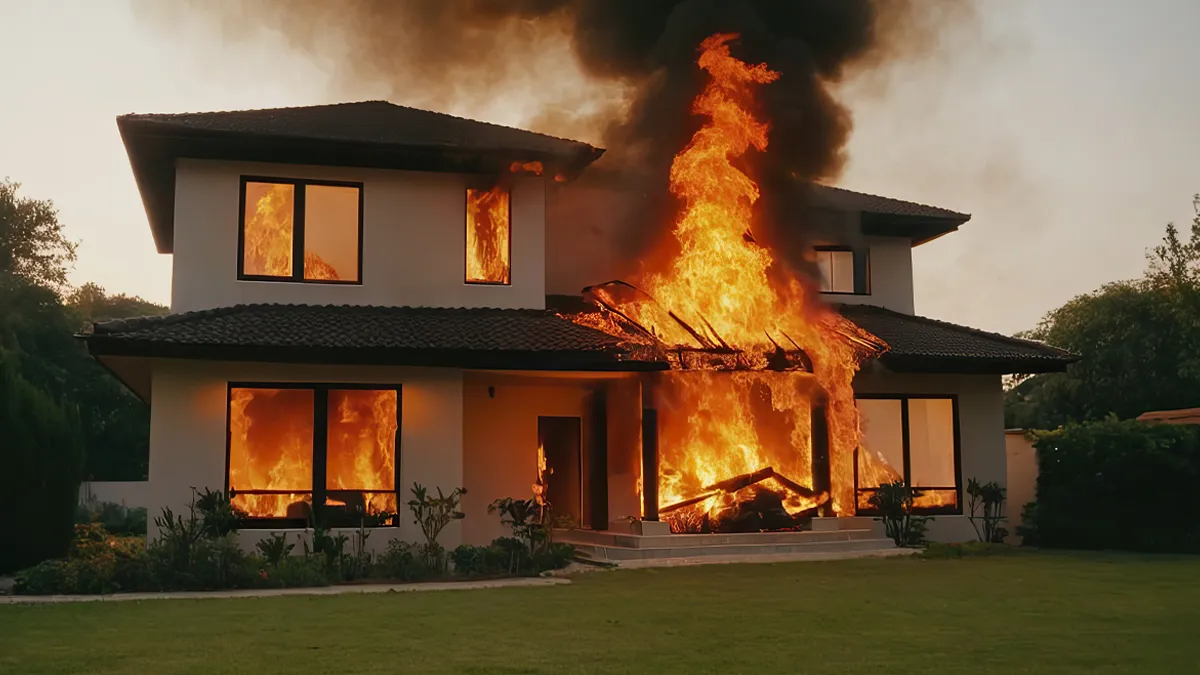
Equipment Checks: Check your fire safety equipment regularly and keep it up to date. Replace old or damaged equipment immediately and use products that meet the latest safety standards.
New Technologies: Invest in advances in fire safety technology. Modern products such as smart smoke detectors and automatic fire extinguishers can improve your safety.
Fire Safety Education and Awareness at Home
Family Education: Give your family regular training in fire safety. Fire safety training helps every family member learn how to act in an emergency.
Community Awareness: You can improve overall safety by informing your local community and neighbours about fire safety. Organising fire drills and safety seminars can help raise awareness across the community.
Home fire safety is a priority for every homeowner. Carefully applying fire safety measures to protect your home and your family means you are prepared for an emergency. By following the tips above, you can minimise fire risks at home and create a safer living space. Remember, fire safety requires ongoing attention and maintenance; reviewing your safety measures regularly and keeping them current is essential.
Teza Engineering delivers solutions tailored to your safety needs, identifying and implementing the right safety measures for any type of facility. Our custom-designed solutions use the latest technology to maximise safety and minimise potential risk. For more information, get in touch, and visit our LinkedIn page and our website!
Related Posts
September 26, 2024 · 5 min read
What Is a Water-Based Fire Suppression System?September 26, 2024 · 5 min read
What Is Gaseous Fire Suppression?September 21, 2024 · 4 min read
What Is CO2 Fire Suppression?